It’s rarely just about yoga. The women who come to Bali for a retreat are often putting down something heavier than a suitcase, and the island has built something specific to help them do that.
Think about the roles a woman in her thirties or forties is likely to be holding simultaneously. Daughter. Partner or wife. Mother, perhaps. Manager or colleague. Friend who checks in. The one who organises the family calendar, remembers the birthdays, tracks the school commitments, fields the 11pm messages from anxious team members. Each role is real and often chosen and loved. And the cumulative weight of being all of those things, without interruption, tends to become invisible, until it doesn’t.
This is what most women are actually carrying when they start researching retreats in Bali. Not the desire for a holiday exactly. Something more specific: the need to put those roles down, briefly, somewhere safe, and remember who they are without them.
Why Women-Only Changes the Dynamic
The distinction between a general wellness retreat and a women’s retreat isn’t primarily about programming, though the programmes differ. It’s about what becomes possible in the room. Women in mixed settings, even supportive ones, often describe a subtle performance layer that doesn’t fully drop: a tendency to monitor, to manage the temperature of the group, to be helpful. In women-only spaces, practitioners consistently observe that this layer dissolves faster. The work goes deeper, more quickly, because the environment itself communicates something different.
There’s also the matter of finding community among people who recognise what you’re describing. One of the less-discussed benefits of women’s retreats is simply the experience of being understood without explanation. The burnout that doesn’t fit neatly into any one cause. The grief that’s hard to name. The sense that something needs to change but you can’t yet say what. In a room full of women who arrived with similar things, those conversations happen naturally, and quickly.
Why Bali Specifically
Bali has had women’s retreats since at least 2003, when Goddess Retreats launched what became one of the world’s longest-running women-only programmes. Two decades of dedicated infrastructure have followed: the Bliss Sanctuary for Women in Seminyak, Escape Haven in Canggu, a range of independent practitioners running intimate healing programmes in Ubud, and dozens of newer formats that have emerged as the market has matured. The island now holds more options for women’s wellness travel than almost anywhere else on Earth.
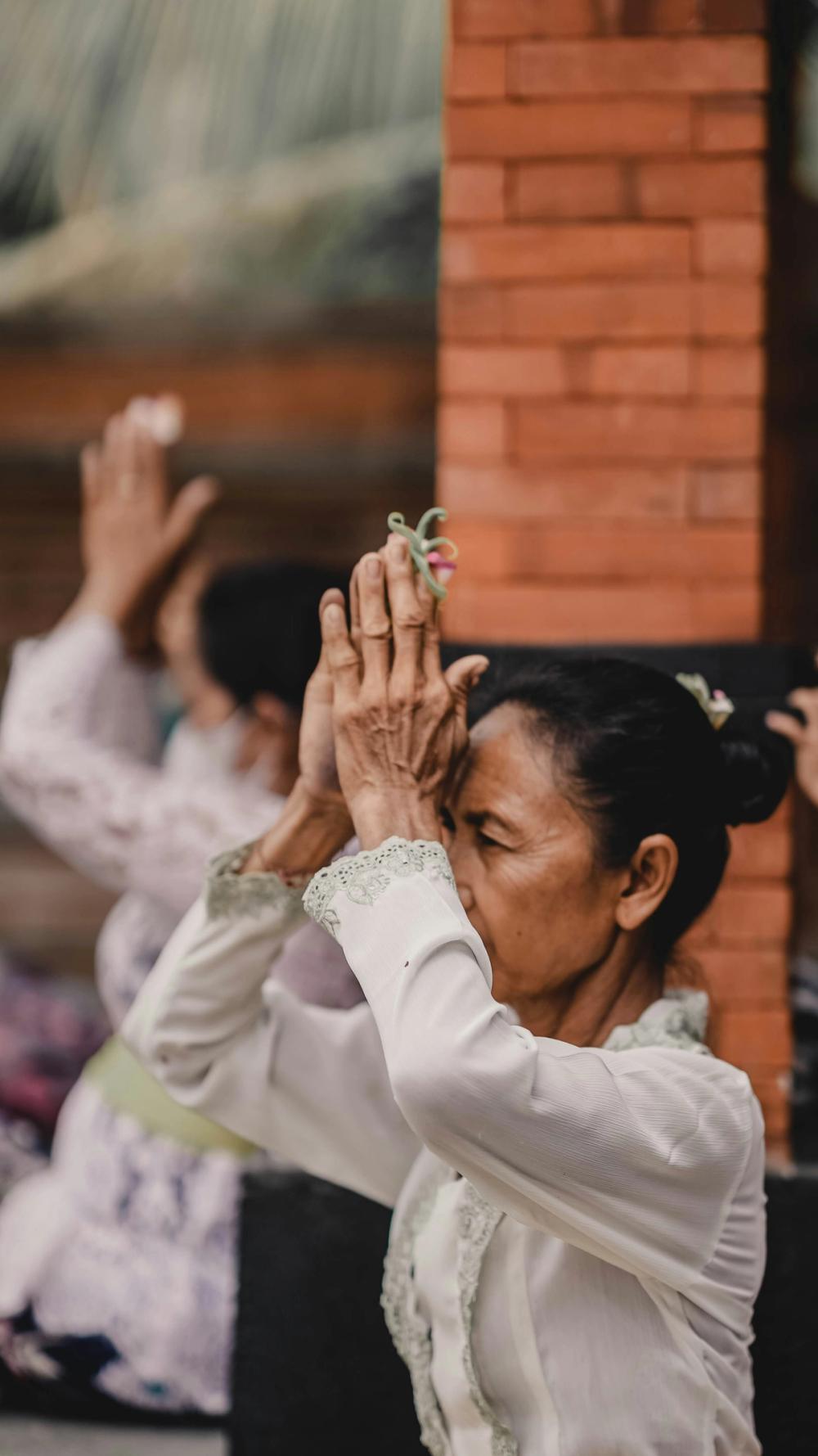
The cultural texture of Bali matters too. Balinese culture carries its own particular relationship with the feminine, in ritual, in ceremony, in the daily rhythm of offering and devotion that women here maintain not as spiritual extras but as the architecture of ordinary life. For visitors arriving from places where that dimension has been largely stripped from daily existence, the effect is quietly disorienting in the best possible way. It makes certain conversations easier. It makes certain feelings more accessible.
Navigating the options: a spectrum, not a checklist
- If you want total flexibility and no group schedule, look for sanctuaries designed around solo stay rather than group programmes, Bliss Sanctuary is the archetype. You set the pace; they provide the framework.
- If you want a held structure with a group of women going through the same programme together, Goddess Retreats and similar formats offer daily schedules, facilitated sessions, and built-in community.
- If the work you need is primarily emotional or healing-focused, grief, burnout, a significant life transition, seek retreats with specific facilitators trained in somatic work, trauma-informed practice, or therapeutic coaching. Not all wellness retreats have this.
- Ubud vs coast: Ubud is quieter, spiritually oriented, surrounded by jungle and rice field, better suited for inward-facing work. Seminyak and Canggu offer more energy, social life, and beach access, better if restoration rather than deep work is the goal.
- Duration matters more than you’d think. A week gives enough time for the initial decompression to happen and then something else to begin. Three days is often just long enough to land and feel the exhale, not enough for much else.
- You do not need to arrive with a clear intention or specific goal. Most women’s retreats in Bali explicitly welcome people who arrive knowing only that they need something, and work with that as a starting point.
The women who leave Bali after a retreat rarely describe what happened in terms of the activities on the schedule. They describe the moment something relaxed in them that had been held tight for longer than they realised. They describe conversations at dinner that went somewhere real. They describe looking at their life from enough distance to see it clearly for the first time in years.
If that’s what you’re actually looking for, you can probably stop trying to find a more practical reason to go.
Sana Bali lists women’s retreats, women-only sanctuaries, and healing programmes across Bali, from weekend formats to week-long immersives, solo stays to facilitated group retreats.