Most people who try breathwork in Bali say the same thing afterward: they didn’t expect it to go that deep.
You lie down. A facilitator guides you into a specific breathing pattern, continuous, connected, no pause between the inhale and the exhale. Within minutes, something shifts. The thinking mind gets quieter. What comes up instead can be unexpected: emotion stored for years, physical releases, moments of startling clarity. Some people laugh. Some cry. Some feel nothing the first time and everything the second.
This is breathwork. And it’s become one of the most talked-about practices on the island.
The Science Is Straightforward (Even If the Experience Isn’t)
Sustained conscious breathing changes blood chemistry. Specifically, it reduces carbon dioxide levels in the brain in a way that temporarily quiets the default mode network, the part of the mind responsible for self-referential thinking, rumination, and the mental loops most of us are very familiar with.
When that quiets, other things get louder. Emotions that the thinking mind usually manages or suppresses can surface directly, through the body. That’s why breathwork sessions often feel less like a relaxation exercise and more like a release, sometimes cathartic, sometimes surprisingly gentle, almost always different from what people anticipated.
Bali Has Built Something Serious Around This
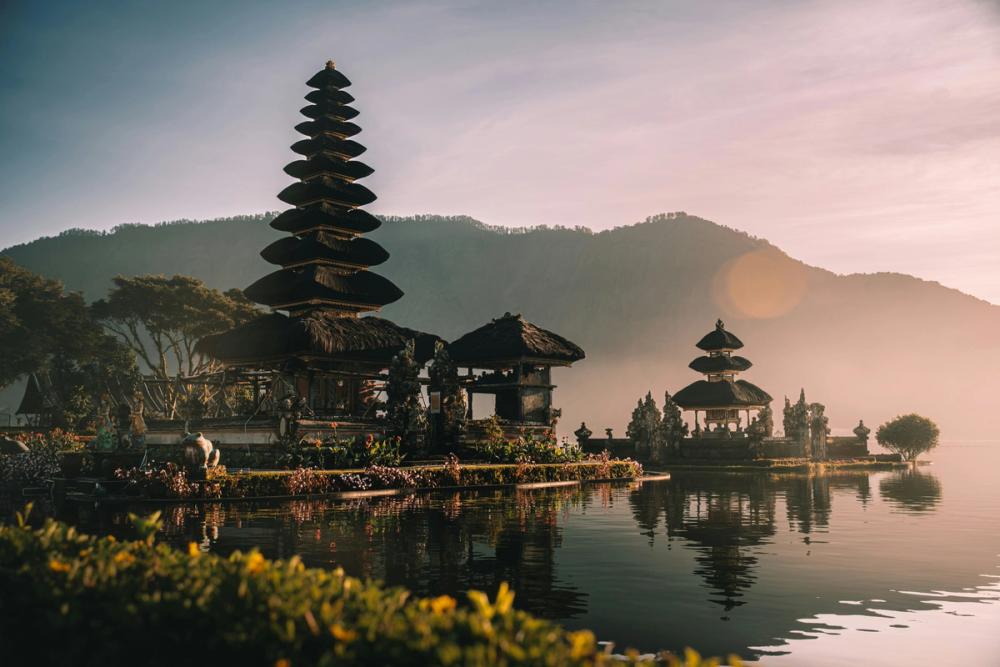
What makes Bali stand out isn’t just the setting, it’s the depth of the practitioner community that has built up here. Ubud and Canggu have become home to facilitators trained in holotropic breathwork, rebirthing, transformational breathwork, and classical pranayama, often several at once. Many arrived as students, trained here, and stayed to teach.
The result is a scene where the standard is genuinely high. Sessions here are well-held, properly structured, and typically paired with integration, the time afterward, with journaling or group sharing, that determines how much actually lands. That combination of skill and care is harder to find than people expect.
Things first-timers are usually glad they knew
The first session is often the least intense. The practice tends to open up over time
Tingling in the hands and face is very common and completely harmless. Tell your facilitator if it’s uncomfortable
If emotions surface, the instinct to stop breathing and collect yourself is normal, but staying with the breath is usually where the release happens
Eat lightly beforehand. Heavy meals and breathwork don’t mix well
Budget time afterward. Rushing straight into errands or screens after a session is a missed opportunity
People with cardiovascular conditions, epilepsy, or severe anxiety should check with a doctor first.
Breathwork isn’t for everyone, and it doesn’t work the same way twice. But for the people it reaches, and in Bali, that’s a lot of people, it tends to become a practice they return to, not just an experience they had once.
Looking for breathwork in Bali? Sana Bali lists practitioners, studios, and retreat programs across Ubud and Canggu, from gentle introductory sessions to full transformational retreats.