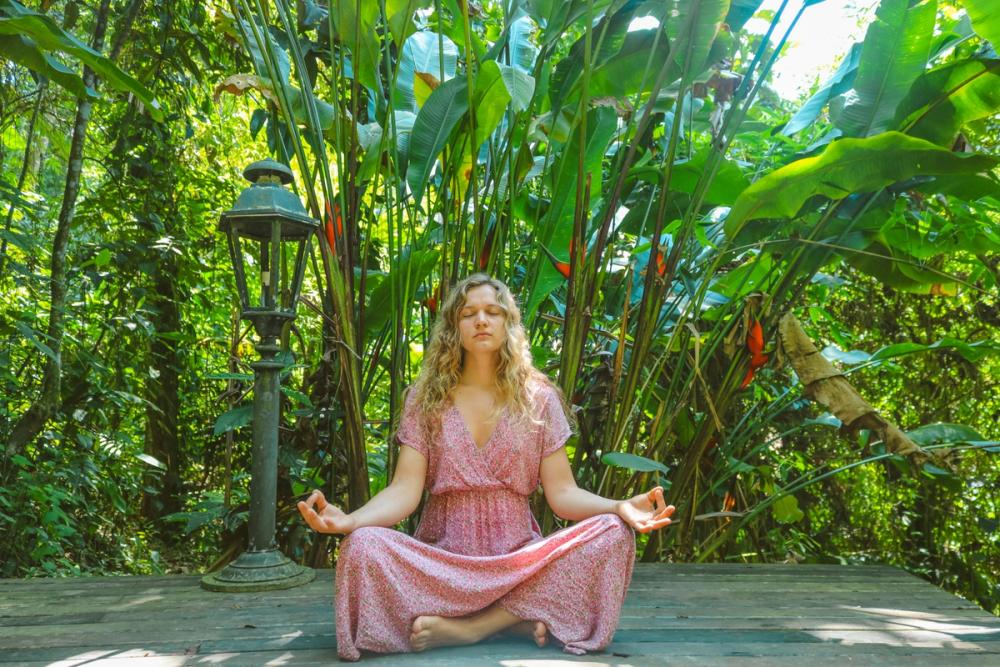
A meditation retreat is not a holiday. Most people who’ve done one will tell you that within the first hour. It’s also, for most of them, one of the most valuable things they’ve ever done.
The first thing to understand about a meditation retreat is that it’s uncomfortable. Not physically dangerous, not psychologically harmful, just confronting in the way that sitting with yourself, without distractions, for days at a time, is confronting. The phone is gone. The small talk is gone. The constant motion that keeps most of us from having to think too hard is gone. What’s left is your mind, doing what minds do when they finally stop being entertained.
This is, of course, exactly the point.
The Formats: What You’re Actually Choosing Between
Meditation retreats are not all the same, and the differences matter. At one end: a Vipassana, typically ten days of noble silence, ten hours of meditation per day, no reading, no writing, no eye contact. Meals are simple, schedules are rigid, and the technique is taught progressively over the ten days. They are free. And they are, by most accounts, among the most intense things a person can voluntarily do with their time.
At the other end: a three-day guided mindfulness retreat with yoga, healthy food, and time by a pool. Both are legitimate. The question is what you actually need. If you’ve never meditated before, a Vipassana is not the right starting point. If you’ve been meditating for years and feel like you’re circling the same territory, it might be exactly right. Between those poles, Bali has almost everything.
Why Bali, Practically Speaking
Bali’s reputation as a meditation destination isn’t accidental or purely aesthetic. Several things converge here that are harder to find elsewhere in the same place. The island has a genuinely active Balinese Hindu spiritual culture, temples, ceremonies, offerings, a living relationship with ritual that isn’t performed for tourists. Ubud, whose name derives from the Balinese word “ubad,” meaning medicine, has been a destination for seekers since before wellness tourism had a name for itself.
Practically, the density of quality teachers is exceptional. Centres like the Yoga Barn, Blooming Lotus, Bali Silent Retreat, and Fivelements offer everything from drop-in meditation classes to month-long immersions. The Bali Meditation Centre near Ubud is run by experienced monks and offers structured programmes for both beginners and experienced practitioners. And because so many skilled teachers have relocated here over the past two decades, the standard is high across the board, not just at the premium end.
The logistics also work in your favour. Retreat programmes here are generally less expensive than equivalent offerings in Europe or North America. The time zone forces a natural break from northern hemisphere work rhythms. And the island is small enough that even between sessions, the environment itself slows you down.
How to choose the right retreat for where you actually are
- If you’ve never meditated: start with a guided programme of 3–5 days that includes yoga and structure, not a silent retreat. Learn the basics first
- If you meditate regularly but want to go deeper: a 7–10 day programme with a specific tradition (Vipassana, Vedic, Zen) will give you more than a luxury wellness retreat
- If you’re processing something significant: look for retreats that include integration support, journalling sessions, teacher access, small group sizes
- If silence is the appeal: Bali Silent Retreat near Tabanan offers open-ended stays with no fixed schedule, rare in the retreat world
- If you want Bali culture woven in: centres like Fivelements and Om Ham include Balinese healing rituals, water temple ceremonies, and work with traditional practitioners
- Budget note: quality retreat programmes in Bali run from $200–$500 per week at the affordable end to $2,000+ per week for luxury residential programmes.
Most people who do a meditation retreat in Bali describe the same arc: resistance in the first day or two, a shift somewhere in the middle, and a reluctance to leave at the end. The discomfort at the start is real. So is what comes after it. If you’ve been circling the idea for a while, that’s usually a reliable signal that the timing is right.
Sana Bali lists meditation retreat centres, silent retreats, and guided programmes across Ubud, Tabanan, and beyond, from weekend introductions to extended immersions.